The Bay Flatters Everything: A Sound-First Routine for Iron Shaft Fittings
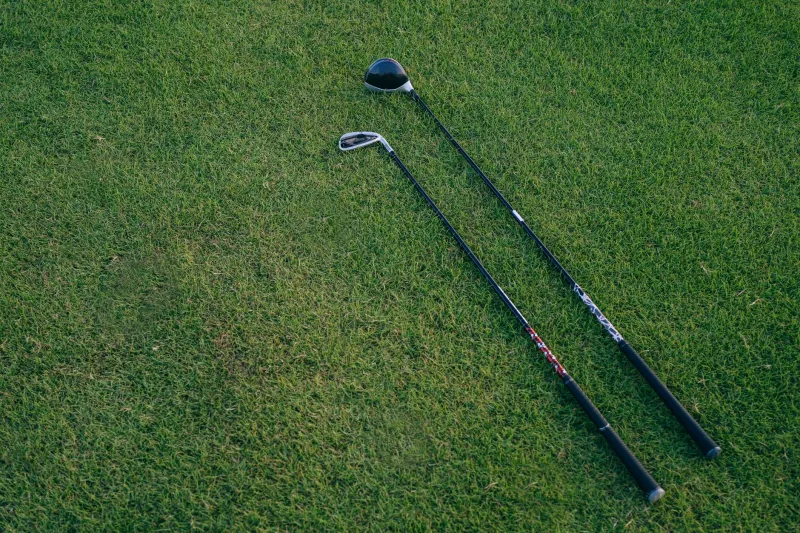
There is a particular sound in a UK pro-shop fitting bay that makes every iron shaft sound like it was designed just for you. It is a tight, clean crack, followed by a half-second of room reverb that somehow makes the ball feel faster, the strike feel purer and your credit card feel lighter. Then you take the same club outdoors, hit one off a damp November fairway, and wonder where all that magic went.
The bay is not lying on purpose. It is just a room. Hard floors, low ceilings, glass, metal racks and a hitting mat all add their own voice to the impact. That voice can be useful, but only if you know what you are hearing. This is a routine for auditioning iron shafts by ear without letting the room do the deciding.
Why the bay makes every shaft sound like a contender
Impact sound is short and sharp. In an open range or on the course, most of that energy disappears into the air, the turf and the general outdoors. In a fitting bay, it bounces back at you. High-frequency click gets exaggerated. Low-frequency thud gets stretched out. A shaft that feels borderline harsh can sound powerful because the room is clapping back at the right moment.
The mat matters too. A dense range mat gives a firmer, louder report than winter turf. The ball matters. A premium fitting ball sounds different from a scuffed range ball. And the bay itself matters: a small room with a low ceiling will flatter a shallow strike and punish a steep one in ways that have nothing to do with the shaft label.
None of that makes indoor fitting pointless. It just means you should treat the bay as a relative test, not an absolute truth.
What the echo can and cannot tell you
The echo is genuinely useful for comparing two or three options in the same session, with the same head and the same ball. If shaft A sounds noticeably tighter on centred strikes than shaft B, that is worth noting. If the sound changes when you switch heads but keeps its character when you switch shafts, you are probably hearing the head. If it changes with the shaft, you are probably hearing the shaft.
What the bay cannot tell you is how the club will sound on a links fairway in a crosswind, or off a wet parkland lie in February. It cannot tell you whether a crisp indoor click will become a dull thud outdoors. And it cannot tell you whether the shaft will still feel lively on the 14th hole when your swing has shortened and your hands are cold.
The routine: one head, three shafts, one stock shot
Start by warming up with your own club. No data, no hero swings, no trying to impress the fitter. Hit a dozen balls and find your normal strike. Then set a baseline: five shots with your current iron, listening for the sound of a centred hit. Ignore the toe-side clatter. You are collecting a reference point, not auditioning your gamer.
Next, ask the fitter to keep the same head and ball while you try three shafts. Do not let them tell you which is which until the end. Hit three shots with each, then rotate. Keep the same stock shot: no chasing, no extra gear, no swing changes between clubs. If you normally hit a gentle draw, hit a gentle draw. The shaft is being tested, not your imagination.
After each block, score three things on a simple one-to-five scale. First, pitch: is the sound high and clicky or low and thumpy? Second, length: does the sound stop quickly or ring on? Third, effort: does the sound match the swing you made, or does it sound like the club is working harder than you are? Do not overthink the numbers. You are looking for patterns, not a perfect score.
Then repeat the first shaft at the end. If your favourite suddenly sounds different, fatigue or the room has crept in. That is useful information.
The strike is the signal, not the brochure
A shaft cannot rescue a heel strike. Before you fall in love with a sound, check the face. Use foot spray or face tape if the bay has it. Only compare shots that came out of the middle. A thin strike off a mat can sound sharper than a centred strike off turf, and a toe strike can add a little rattle that makes a stable shaft sound harsh.
This is also why you should ignore the first two swings with any club. They are noise. The third and fourth are where the real comparison starts.
Listen for work, not wow
A good iron shaft for you often sounds controlled rather than spectacular. The bay rewards wow: loud, snappy, theatrical. Outdoors rewards repeatable. A shaft that sounds quiet but gives you the same sound and the same flight over and over is usually the better buy.
Be careful with the word smooth. In a bay, smooth can mean soft-tipped and lively, or it can mean vague and loose. Be equally careful with boardy. A stable shaft can sound blunt indoors and solid outdoors. The sound alone will not settle it. Use it as a tiebreaker, not a verdict.
The outdoor audit: take it to turf
Before you commit, ask for a demo club with your shortlisted shaft. Hit it outdoors on real turf, ideally when the ground is not bone dry. Thirty or forty balls is enough. Listen for what happens to the click. Does it stay crisp, or does it turn into a dull thud? Does the club sound like it is cutting through the turf or slapping it? Does the sound still match your swing when you are cold, tired and not being watched by a launch monitor?
Compare it directly with your gamer. If the bay favourite sounds dead outdoors and your old club sounds honest, believe the outdoors. If the bay dullard suddenly sounds solid on turf, give it another look. The bay is a rehearsal room. The course is the gig.
The bottom line
Use the fitting bay to hear differences, not to hear destiny. Keep the head and ball constant, rotate blindly, check the strike and repeat the baseline. Then take the shortlist outside and hit off grass before you spend the money. The echo can point you in the right direction. It should never make the final call.