Silence Your Kit, Hear Your Strike: A Winter Bag-Noise MOT
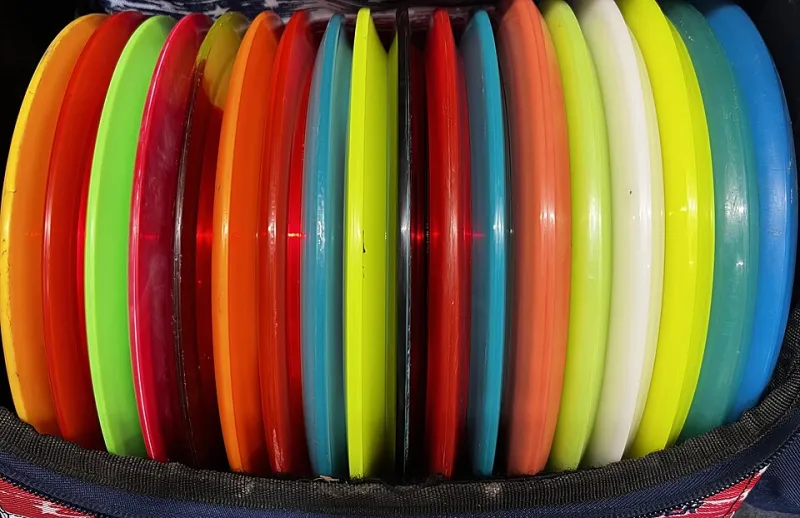
Photo: Cody090122, CC BY-SA 4.0, via Wikimedia Commons
Winter golf has a soundtrack problem. The course is quieter, the air is thinner, and a well-struck iron makes a softer, more honest sound than it does in summer. That should be a gift for anyone trying to learn from impact noise. Instead, many UK players spend the cold months listening to their own bag clanking away behind them.
A wedge knocks against an iron. A trolley wheel ticks. A spare ball rolls into a pencil case. None of it matters on its own, but it all lands at the same moment as the strike. Your ears get two competing noises, your brain picks the loudest one, and the feedback you actually wanted disappears.
The good news is that this is a five-minute job, not a shopping trip. Here is a simple bag-noise MOT for winter rounds.
Why bag noise ruins winter feedback
Cold-weather strikes are already harder to read. The ball feels firmer, the turf is softer, and the sound coming off the face is often shorter and duller than the crisp click you get on a dry summer fairway. If you are trying to judge contact by ear, you need the quietest possible background.
That does not mean playing in silence. It means removing the noises that sit in the same frequency range as a golf strike: metal on metal, hard plastic on graphite, a hollow bag panel tapping against a trolley frame. These sounds are close enough to impact noise to confuse the issue, especially when you are wearing a hat, a hood or winter gloves.
A quiet bag does not make you a better ball-striker by itself. It simply gives you cleaner evidence to work with.
The five-minute shake-and-listen
Do this before you leave the house or in the car park, not on the first tee with three mates watching.
- Empty the obvious culprits. Take out loose balls, tees, markers, keys and anything rattling around in the valuables pocket. Put them in a small pouch or leave them in the car.
- Stand the bag upright and shake it gently. Not a wrestling match — just enough to make the clubs shift. Listen for the first noise that happens.
- Lean the bag forward and back. Listen again. A different angle often exposes a club that is sliding under a divider or a headcover that is tapping the bag frame.
- Fix one thing, then repeat. Move a club, remove a headcover or tighten a strap. Shake again. If the noise changes, you are winning.
- Push the bag across a hard floor. If you use a trolley, this is the closest you will get to the sound it makes behind you on a path. A quick push across the kitchen or garage floor tells you more than a squeeze in the hallway.
The aim is not total silence. It is a bag that stays quiet when you walk, push or carry, so the only sharp noise you hear on the course is the one you made.
Headcovers: fewer, not none
Headcovers are the obvious answer, but more is not always better. A bag stuffed with oversized covers can still clatter if the clubs inside them are loose, and a cover that flaps against the bag frame makes its own noise.
Use covers on the clubs that need protection — woods, hybrids, and any irons you care about keeping dry and ding-free. Make sure they sit snugly and do not hang loose enough to slap against the bag. If a cover has a drawstring or strap, use it. A cover that stays put is quieter than one that swings about.
For irons, many UK players find a simple neoprene or thin synthetic cover on the longer irons is enough. The shorter clubs tend to sit tighter in the divider and cause less chatter. The key is consistency: if you cover every iron, check that the covers are not creating a new rattle against each other.
Dividers and club order
A 14-way divider is not automatically quieter than a four-way. What matters is whether each club has a defined home and whether the grips are free to knock together.
Try this. Put the woods and hybrid at the top, the long irons in the middle, and the wedges and putter at the bottom. Then check that no club is leaning across another. A single iron resting against a wedge shaft can tick all the way round the course.
If your bag has a putter well, use it. If it does not, give the putter its own slot away from the wedges. The putter is often the noisiest club in the bag because it has the longest shaft and the heaviest head, and it tends to swing into everything else when you walk.
Also check the divider itself. Some older bags have plastic divider rings that work loose. If you hear a hollow click when you shake the bag, run your hand around the top rim. A loose divider is not dangerous, but it is annoying, and it can be fixed with a tighten or a small strip of tape.
The usual suspects
When the bag still talks after the clubs are sorted, the culprit is usually small and boring. A ball marker in a pocket. A pitch repairer in the mesh sleeve. A rangefinder case hanging off the side. A trolley battery lead tapping the frame. A glove tucked into the divider and flapping against a shaft.
Empty every pocket and put the contents on the floor. Then add things back one at a time, shaking the bag after each one. It sounds fussy, but it takes less time than another winter round spent wondering why your irons sound odd.
Also check the bag straps and trolley attachments. A loose strap buckle can make a surprisingly loud tick. So can a trolley bag that is not properly seated on the frame. If you use a carry bag on a trolley, make sure the legs are tucked in and the base is sitting flat.
When a rattle is a warning
Most bag noise is harmless. A little club chatter is normal, and you do not need to turn your bag into a museum piece. But a few rattles are worth taking seriously.
If you hear a rattle from inside a clubhead, stop. A loose weight, a cracked hosel or a failed epoxy joint can all make a sound that seems to come from the bag but is actually coming from the club. Shake each club individually and listen close to the head. If the noise is inside the head, do not hit another ball until a professional has looked at it.
A rattle from the shaft can mean a loose grip, a broken shaft tip or a weight that has come unstuck. Again, isolate the club and check before you play. The same goes for a trolley that clicks under load: a loose axle or a cracked frame can fail at the worst moment, usually halfway down a wet slope.
A dry, ticking sound from a bag zip is usually just dirt. A sharp crack when you lift the bag is not. Trust the difference.
A two-second habit after the round
Once the bag is quiet, keep it that way. Before you put the clubs in the car, drop the loose balls and tees back into a pouch. Give the bag a quick shake. Listen for anything new.
That two-second check is especially useful in winter. Cold makes plastic brittle, straps stiff and zips tight. A bag that was silent in October can develop a new tick by December. Catching it in the car park is much easier than diagnosing it on the fourth fairway with frozen fingers.
A quiet bag will not fix your strike. It will, however, stop your kit from talking over the one piece of feedback that winter golf gives you for free. And on a cold, quiet morning, that is worth five minutes.