Cold Air, Wet Turf: The Iron-Distance Reset UK Golfers Need This Winter
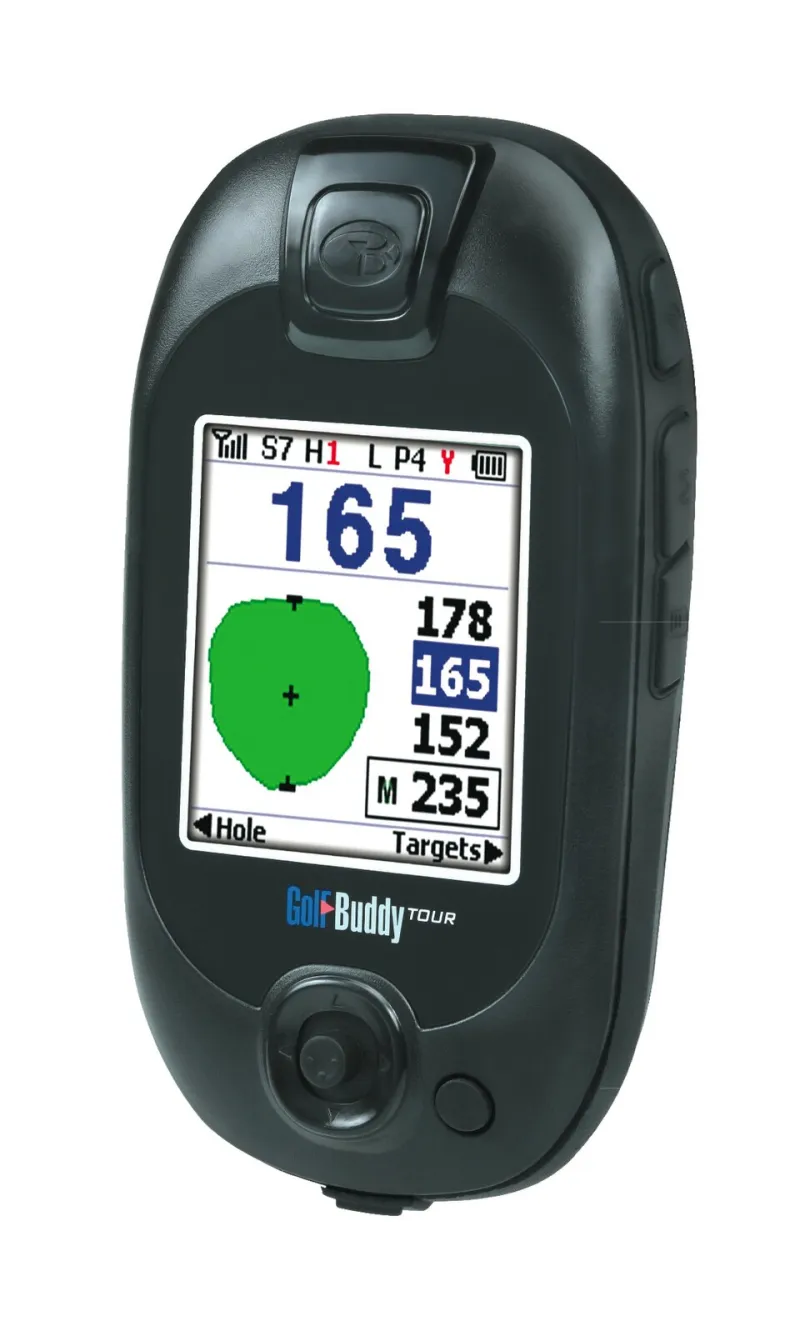
Photo: Wikigolf, Public domain, via Wikimedia Commons
Every autumn, UK golfers rediscover the same uncomfortable truth: the iron numbers they trusted in July have quietly expired. You make the same swing on a grey November morning, strike it reasonably well, and watch the ball land a club short of the green. The temptation is to start fiddling with your swing. Usually it is the conditions. Cold air, damp grass and soft fairways change carry and roll enough to make your summer gapping chart misleading. This is not a rebuild. It is a reset.
Why a 6°C morning is not a 16°C afternoon
Cold air is denser, and a colder golf ball does not spring off the face quite as eagerly. Add extra layers, tighter shoulders and the general reluctance of a human body to rotate at 8am in November, and you have a recipe for lost carry. Then the ball lands on wet grass and stops. On soft fairways you get very little of the run that flattered your numbers in summer.
That combination is why a shot that carries 150 yards in warm conditions may carry closer to 140-145 on a cold, damp morning, and then finish almost where it pitches. That is a club, sometimes more, without any change in effort. If you keep hitting the same club because that is what the yardage book says, you are not being brave. You are just leaving shots short.
Use a winter baseline, not your best summer strike
Most amateurs carry a mental yardage based on their purest summer strike with a slight breeze behind them. That number is not a baseline. It is a highlight reel. For winter, you want a median carry number in the conditions you actually play, not the one you remember from a dry August evening.
You do not need a launch monitor every round. A rangefinder, a few known targets and a notepad will do. The goal is to find out what your irons are doing now, in this temperature, on this turf, with the swing you brought today.
The three-target calibration protocol
- Pick three flat, visible targets with known distances. A range with marked posts is ideal. On a quiet course, use flags or fixed markers measured with a rangefinder. Choose something like a short iron, a mid iron and a long iron.
- Warm up properly first. Ten wedges and a few mid irons, then start measuring. Calibrating a cold body tells you nothing useful except that you should have warmed up.
- Hit five balls at each target with your normal tempo. Ignore the one perfect strike. Record the middle three. On wet grass, the landing spot is your carry number. Roll is almost irrelevant.
- Write down the temperature, wind and ground conditions. A 140-yard 7-iron in cold drizzle is useful information. The same number in a mild, dry spell is a different club decision.
- If you have a launch monitor, use carry only. Ignore total distance and do not chase the normalized numbers. You are trying to measure your winter reality, not win a simulator contest.
- Repeat after two rounds and update the card. One session is a snapshot. Two or three sessions give you a pattern.
Turn the numbers into a winter club card
Once you have your carries, build a simple card with five-yard bands. If your winter 7-iron carries 142 yards, your 6-iron 152 and your 8-iron 132, then a 145-yard pin is not a 7-iron shot just because it was in July. It is either a smooth 6-iron or a deliberate 7-iron to the front edge, depending on flag position and trouble.
The useful rule is this: when you are between clubs in cold weather, take the longer one and make a smooth swing. A hard swing in cold air rarely adds the carry you want. It tends to add spin, a lower strike and a crooked finish. The longer club with a controlled swing is usually the boring, profitable choice.
Aim for the middle of the green, not the flag. Use the front edge as your minimum carry. If there is a bunker or water between you and the green, choose the club that clearly carries the hazard, not the one that might just get there if you catch it perfectly.
Keep the swing, change the decisions
Nothing in this reset requires a new backswing. Keep your tempo, keep your posture and keep your routine. What changes is the information you use before you pull a club. Keep a ball in your pocket so it is not freezing in the bag. Dry your grips. Rotate your glove if it gets damp. Cold impact sounds flatter and less satisfying, so do not chase a crisp noise that the weather is not going to give you.
Give yourself the first three holes to settle in. Take one more club than your summer instinct suggests, swing within yourself and aim at the safe part of the green. By the fourth hole you will have a better feel for the day, and your scorecard will not have paid for the experiment.
Winter golf rewards the golfer who updates the numbers. It punishes the one who keeps pretending it is still July.